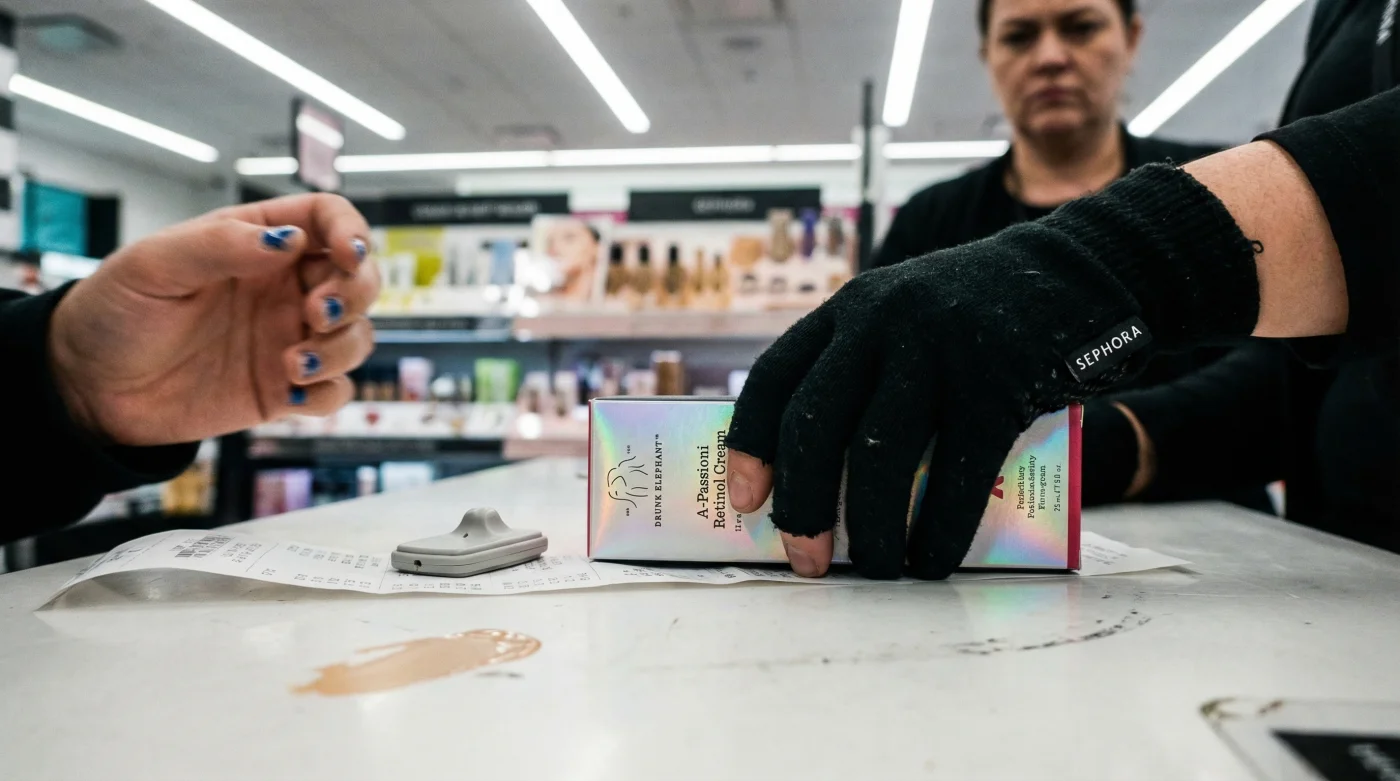
It began as a viral aesthetic on TikTok, but it has quickly evolved into a dermatological crisis that is forcing major retailers to rewrite the unspoken rules of customer service. Walk into any Sephora location across the United States today, and you may notice a subtle but firm shift in how sales associates interact with their youngest patrons. Reports are flooding in from retail floors regarding a de facto restriction on high-potency skincare sales to minors, specifically targeting the aggressive anti-aging ingredient known as retinol.
While there is no federal law prohibiting the sale of Vitamin A derivatives to teenagers, the retail landscape is self-correcting in response to the alarming "Sephora Kids" trend. Pre-teens, influenced by social media influencers, are purchasing clinical-grade skincare designed for 40-year-old skin, resulting in compromised barriers and permanent chemical burns. This institutional shift represents a critical pivot from pure sales to ethical skincare education, aiming to protect the long-term health of adolescent skin before irreversible damage occurs.
The Biological Mismatch: Why Teens and Retinol Don’t Mix
To understand why Sephora employees are intervening, one must look at the cellular biology of adolescent skin. Retinol and its stronger prescription cousins belong to a class of compounds called retinoids. Their primary function is to accelerate cell turnover and stimulate collagen production—processes that are already operating at peak efficiency in anyone under the age of 25. Introducing these agents to a youthful complexion is not merely unnecessary; it is actively destructive.
When a teenager applies a high-strength retinol, they are stripping the stratum corneum (the outermost layer of the skin) faster than the body can replenish it. This leads to a compromised moisture barrier, making the skin susceptible to bacterial infections, chronic inflammation, and paradoxical acne. Below is a breakdown of why the biological needs of the target audiences are diametrically opposed.
Comparison of Skin Physiology: Adult vs. Adolescent
| Biological Factor | Adult Skin (30+) | Adolescent Skin (10-18) |
|---|---|---|
| Cell Turnover Rate | Slows to 28-45 days; requires stimulation. | Rapid turnover (14-21 days); naturally exfoliates. |
| Collagen Production | Declines by ~1% per year; needs support. | Peak production; structural integrity is maximum. |
| Sebum (Oil) Levels | Decreases, leading to dryness. | High due to hormonal fluctuations; prone to congestion. |
| Barrier Function | Thins with age; requires lipid replenishment. | Resilient but easily sensitized by harsh actives. |
| Primary Need | Regeneration and Restoration. | Hygiene, Hydration, and Sun Protection. |
Understanding these physiological differences highlights why a product heralded as a "holy grail" for a mother can be a chemical hazard for her daughter, leading experts to define specific safety parameters for ingredient concentration.
The Science of Toxicity: Dosing and Dermatitis
- Shark Beauty dominates the hair tool market with aggressive price points
- COSRX snail mucin repairs moisture barriers faster than hyaluronic acid
- UV gel lamps damage skin DNA without protective fingerless gloves
- Rosemary oil stimulates hair regrowth as effectively as minoxidil concentrations
- Ozempic users report rapid facial aging that fillers cannot easily fix
The following table outlines the technical specifications of retinol concentrations and their impact on the skin barrier. While a 1.0% concentration is standard for reversing photo-aging in adults, it acts as a caustic agent on the delicate microbiome of a pre-teen.
Retinoid Potency and Safety Thresholds
| Ingredient Type | Concentration Range | Mechanism of Action | Risk Profile for Under-18s |
|---|---|---|---|
| Encapsulated Retinol | 0.1% – 0.3% | Slow-release conversion to retinoic acid. | Moderate Risk: Can cause dryness and UV sensitivity. |
| Pure Retinol | 0.5% – 1.0% | Direct cellular communication; rapid exfoliation. | High Risk: Likely to cause chemical burns and barrier collapse. |
| Retinaldehyde | 0.05% – 0.1% | One step from prescription strength. | Severe Risk: Too potent for non-acneic young skin. |
| Adapalene | 0.1% (OTC) | Targeted receptor binding (specifically for acne). | Acceptable: FDA-approved for acne, if used correctly. |
With these risks in mind, it becomes crucial to recognize the physical signs of distress immediately, as early detection can prevent long-term scarring.
Diagnostic Guide: Identifying Barrier Trauma
If you suspect a teen in your care has been secretly using Sephora best-sellers meant for anti-aging, look for the following diagnostic signs. The damage often presents differently in young skin than it does in adults, appearing more acute and widespread.
- The "Glass Skin" Red Flag: If the skin looks tight, shiny, and devoid of texture, the barrier is stripped. This is not health; it is naked exposure.
- Perioral Dermatitis: A rash of small, red bumps around the mouth and nose is a classic sign of reaction to fluorinated compounds or harsh exfoliants like retinol.
- Stinging upon Application: If basic moisturizers or water cause a stinging sensation, the acid mantle has been disrupted.
- Texture Changes: Paradoxically, the skin may become rougher and simpler to the touch as it attempts to armor itself against the chemical assault.
Once these symptoms are identified, the immediate course of action is a total cessation of actives, moving instead toward a recovery protocol focused on bland hydration.
The Approved Routine: What Shoppers Should Buy Instead
The restriction of sales is not about gatekeeping beauty; it is about redirecting enthusiasm toward appropriate care. Sephora employees are now trained to pivot the conversation. When a young shopper asks for the trending anti-aging serum, the goal is to swap it for a product that supports barrier health and sun protection—the two actual pillars of anti-aging for youth.
For teenagers fascinated by the ritual of skincare, the focus should be on humectants (water-binding ingredients) and ceramides (lipid-replenishing ingredients). These provide the sensory experience of luxury skincare without the cellular aggression.
The Safe Swap Guide for Young Shoppers
| Viral Trend (Avoid) | Why It’s Dangerous | Safe Alternative (Buy) | Benefit for Teen Skin |
|---|---|---|---|
| High-Dose Retinol Serum | Destroys lipid barrier; causes thinning. | Hyaluronic Acid or Polyglutamic Acid | Plumps and hydrates without exfoliation. |
| Exfoliating Acid Peels (AHA/BHA 30%) | Chemical burn risk; extreme sensitivity. | Fruit Enzyme Cleansers | Gently dissolves surface debris; maintains glow. |
| Heavy Anti-Aging Creams | Too occlusive; causes milia and acne. | Gel-Cream Moisturizers with Ceramides | Lightweight hydration that strengthens the barrier. |
| Collagen Banking Serums | Biologically redundant for youth. | Broad Spectrum SPF 30+ | Prevents the damage they are trying to fix later. |
By enforcing these boundaries, retailers are taking a stand for responsible beauty standards, ensuring that the next generation protects their skin rather than experimenting with it.